Flexible Living Space
ADUs and DADUs provide additional space for guests, family members, home offices, or private living areas without needing a full home expansion.


Add flexible living space and long-term property value with custom ADU and DADU construction designed around your home, your lot, and how you plan to use the space. From attached living areas to detached backyard dwellings, we build solutions for guests, rental income, multigenerational living, and everyday functionality.
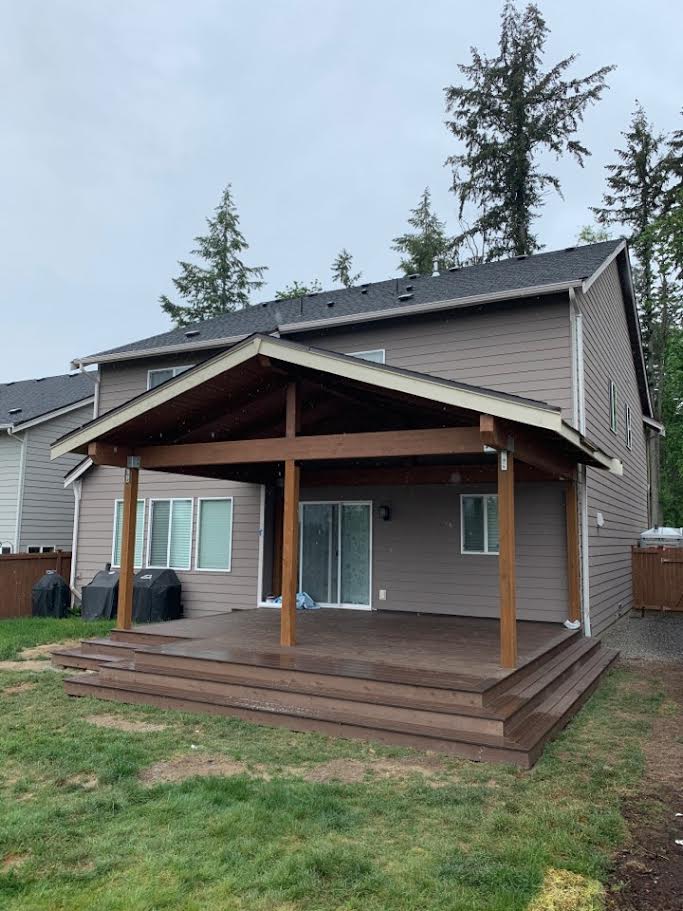
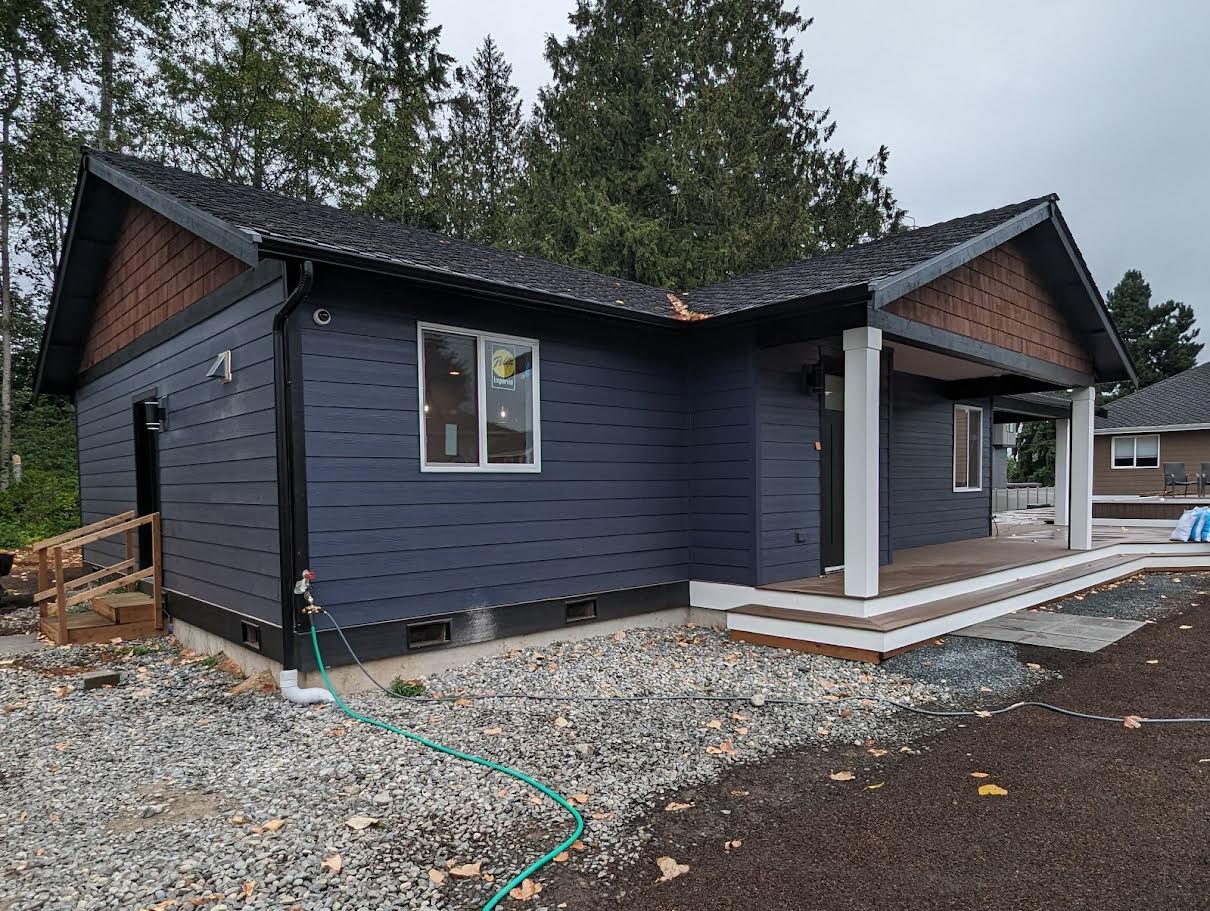
Accessory Dwelling Units (ADUs) and Detached Accessory Dwelling Units (DADUs) are designed to add usable living space without requiring a full home expansion. Whether attached to the main home or built as a separate structure, these projects create flexible space for guests, rental income, multigenerational living, or private work areas.
Our ADU and DADU construction services can include attached additions, detached backyard units, garage conversions, and fully custom layouts. Each project is planned around zoning requirements, property layout, utility access, and how the finished space will function day to day.
Designed for rental income, guest housing, multigenerational living, or private workspace needs.
Constructed to meet local zoning, permitting, and building requirements while supporting long-term use.
A well-planned ADU or DADU can expand how your home functions, create additional income opportunities, and provide flexible living space that adapts over time.
ADUs and DADUs provide additional space for guests, family members, home offices, or private living areas without needing a full home expansion.
Many homeowners use ADUs and DADUs as long-term rental units, creating an additional income stream while maximizing the value of their property.
Adding a permitted, well-built ADU or DADU can increase overall property value by expanding livable space and improving long-term functionality.
Attached ADUs expand the existing home with a connected living space designed for privacy, flexibility, and day-to-day function while remaining integrated with the main structure.
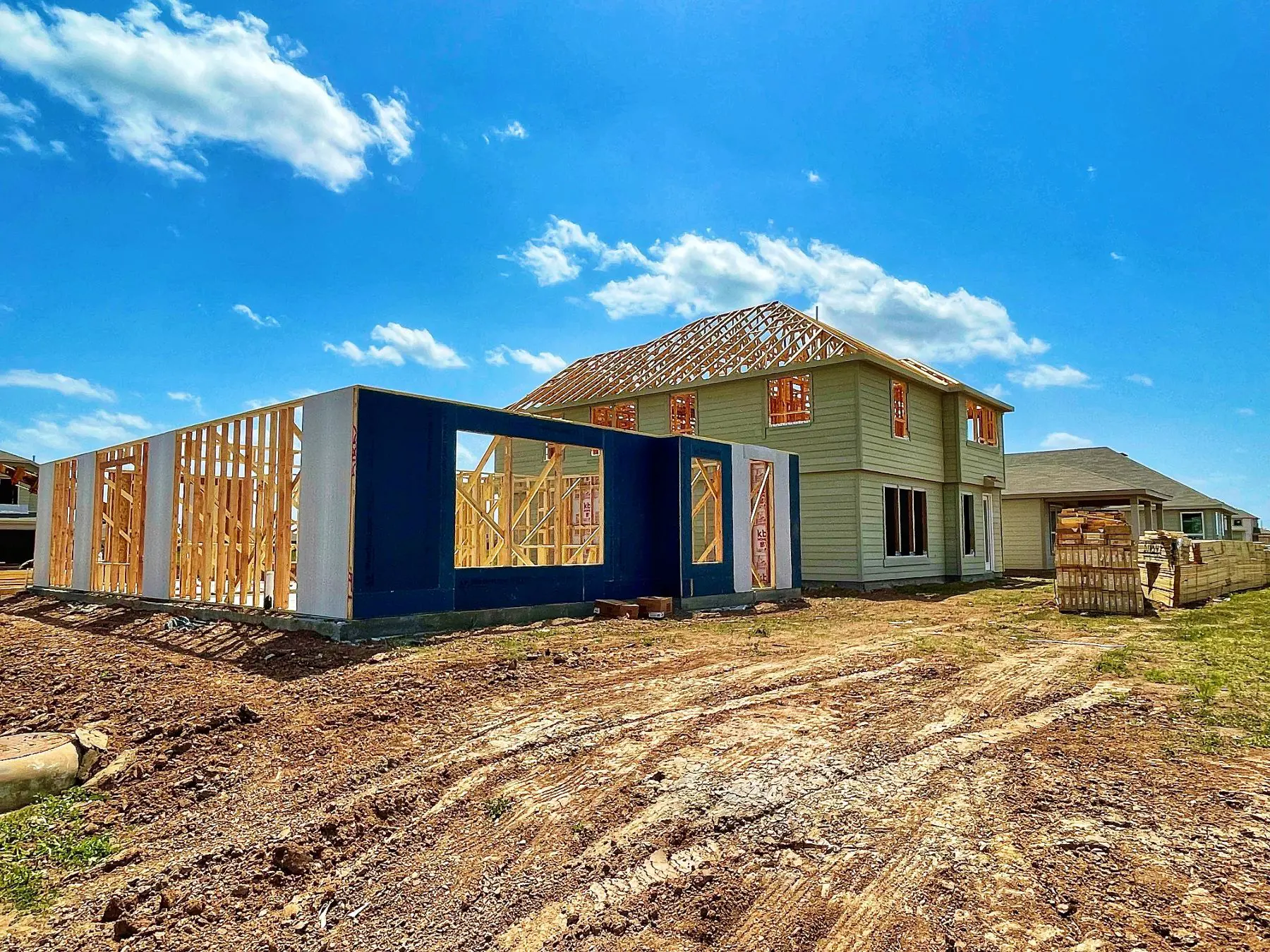
Detached ADUs create a separate standalone living structure on the property, offering more privacy and flexibility for long-term use, guests, or rental opportunities.
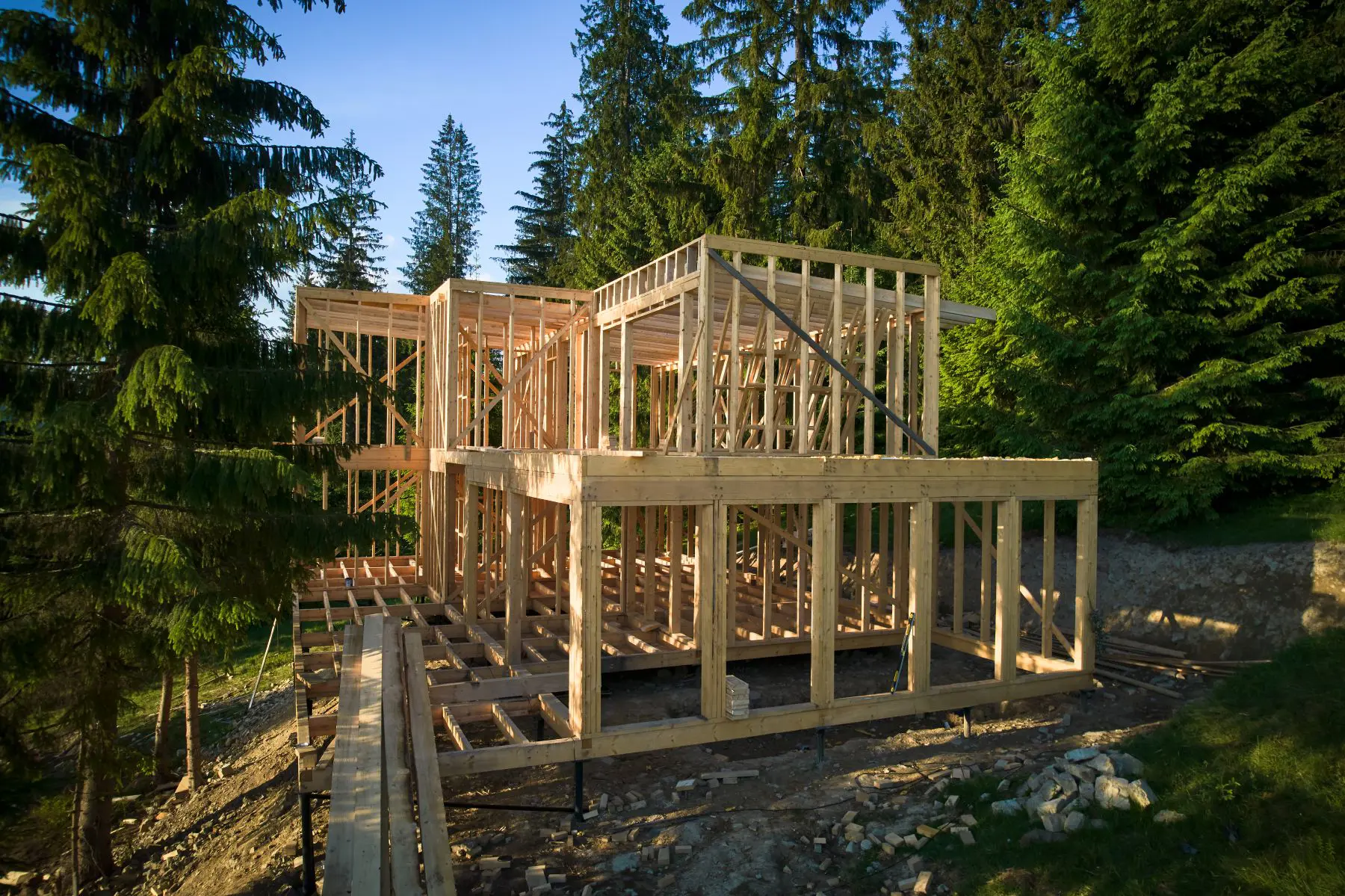
Garage conversions turn underused square footage into functional living space, creating an ADU-style solution without the footprint of a fully new detached build.
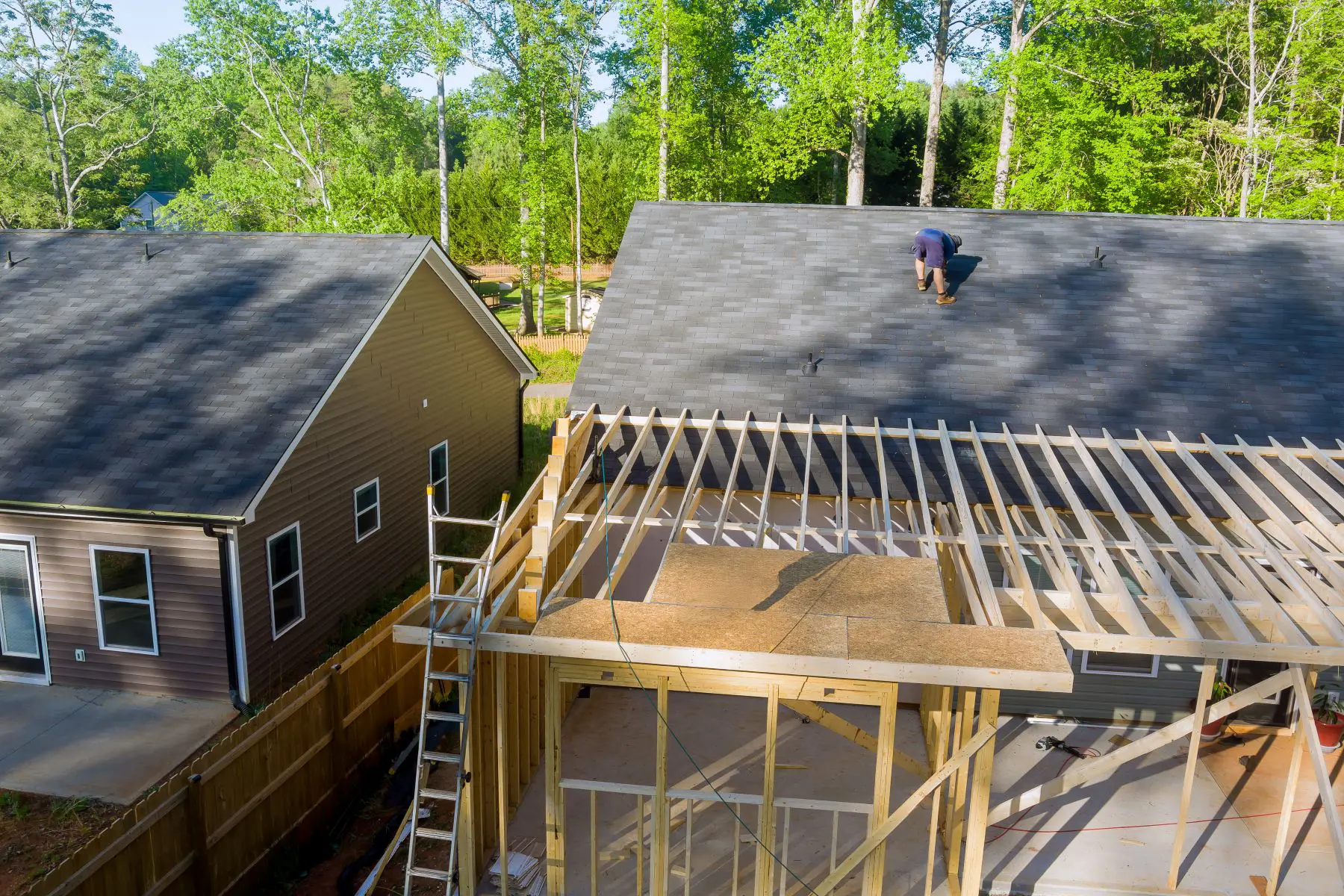
ADU and DADU projects can be designed specifically for guest accommodations, rental income, or multigenerational living, with layouts tailored to privacy and everyday function.
Feeling overwhelmed? ADU and DADU projects involve planning, permitting, and construction. We guide you through the entire process—from concept and feasibility to final build—keeping everything organized and moving forward.
We start by understanding your property, your goals, and how you want the ADU or DADU to function—whether for rental income, guests, or additional living space.
We evaluate zoning, setbacks, utilities, and site conditions, then develop conceptual layouts and designs that align with your property and local requirements.
We prepare structural drawings, site plans, and permit applications, coordinating with the local jurisdiction to help move your ADU or DADU project through approval.
Once approved, we build your ADU or DADU with attention to structure, systems, and workmanship, ensuring the space is functional, efficient, and built for long-term use.
We review the completed unit with you, confirm all details, and ensure your new living space meets expectations for comfort, functionality, and quality.
An ADU or DADU should feel like a natural extension of your property, function well for everyday living, and hold up over time. Our approach stays focused on practical design, dependable construction, and the details that make these spaces comfortable, functional, and long-lasting.
Every ADU or DADU is planned around your lot, existing structures, access, utilities, and how the space will be used.
We focus on durable construction, practical layouts, and the structural details needed for safe, comfortable, everyday use.
We keep projects moving with straightforward planning, consistent communication, and attention to the details that matter.
Here are some of the questions homeowners often ask when planning an attached or detached accessory dwelling unit, expanding living space, or navigating local requirements.
Yes, ADU and DADU projects typically require permits because they involve new living space, structural work, utilities, and zoning considerations. Requirements vary depending on whether the unit is attached or detached and whether the property is in a city or unincorporated area.
It is important to review zoning, setbacks, and utility requirements early so the design aligns with local regulations before construction begins.
An ADU (Accessory Dwelling Unit) is typically attached to the main home, such as a basement conversion or home addition, while a DADU (Detached ADU) is a separate structure on the same property. Both are intended to provide independent living space with their own kitchen, bathroom, and sleeping areas.
Local zoning, lot size, and utility requirements can affect whether an attached or detached unit is allowed and how it can be designed.
Before starting an ADU or DADU project, it helps to evaluate how the space will be used, how it fits on the property, and how utilities, access, and zoning requirements will affect the design. Planning early helps avoid redesigns and ensures the project aligns with code and permitting requirements.
Projects tend to go more smoothly when factors like setbacks, parking, drainage, and utility connections are considered upfront.
Yes, ADUs and DADUs must comply with Washington State building codes, including structural, electrical, plumbing, and energy requirements. These standards ensure the unit is safe, livable, and consistent with residential construction practices.
Because these are full living spaces, code compliance is more involved than smaller exterior projects and should be part of planning from the start.
Contractors working on ADU or DADU projects in Washington must be properly registered through Labor & Industries. Verifying this ensures the contractor meets state requirements and is authorized to perform residential construction work.
Checking registration and licensing early helps avoid issues during permitting and construction.
Our request form uses a couple quick pre-steps to reduce errant submissions before showing the full contact form. It only takes a moment, and it helps us respond to real customers faster.